Bathroom Remodeling in Downtown Bellevue: A Condo & High-Rise Guide
Downtown Bellevue isn’t like the rest of the neighborhoods we cover, and we’re not going to pretend otherwise. This is a high-rise condo market — towers, not tract homes — where the real constraints on a bathroom remodel are structural engineering and HOA approval, not housing era. We match condo owners here with vetted, licensed Washington contractors who’ve actually done high-rise work, not just single-family remodels with “condos welcome” tacked on.
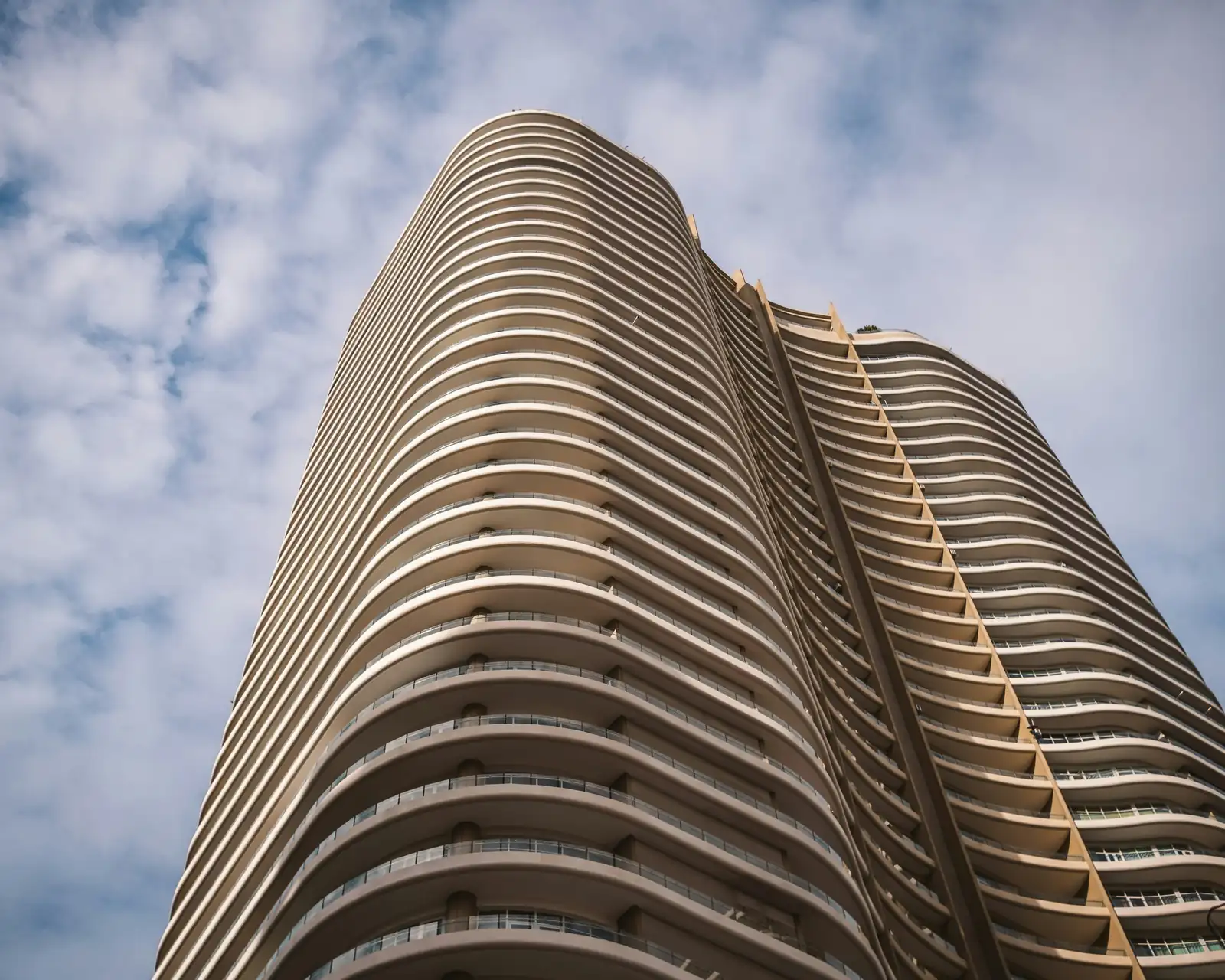
Bellevue’s Urban Core, Not Another Housing Tract
Bellevue has at least 41 high-rise buildings citywide, 23 of them 250 feet or taller, and the largest concentration of them sits right here in the downtown core — genuinely the Eastside’s densest condo market, not just Bellevue’s. Real buildings worth knowing by name if you own here: Bellevue Towers (25 stories, 539 units, completed 2008, at NE 4th St & 106th Ave NE, a block from Bellevue Square), The Bravern, Avenue Bellevue (including its Residences Tower and the upcoming Avenue Bellevue Estates phase — one of the largest Eastside condo projects in over a decade), One88, Washington Square, Bellevue Pacific Tower, and Park Row Bellevue (Bosa, 22 stories at 201 Bellevue Way NE, the only verified active new-construction tower launch in the submarket as of 2026).
Most of these towers were built from the late 1990s through the 2010s — genuinely newer construction than every other neighborhood we cover, which changes the remodel conversation. It’s not “what condition is this old plumbing in,” it’s “what does this building’s concrete structure and HOA actually allow.” Median condo sale price here runs $1.08M (NWMLS, refreshed Aug 2026), with standard units starting around $600K, mid-rise units $800K–$1.8M, and penthouse or luxury tower units running $2M–$5M+.
What This Means for Your Remodel
Two things make a Downtown Bellevue condo bathroom remodel genuinely different from a single-family remodel anywhere else in this city, and neither is optional to plan around. First, most towers here are built with post-tensioned concrete floor slabs — high-tension steel cables embedded directly in the concrete. Cutting, drilling, or coring into that slab without first locating the tendons can sever a cable and compromise the floor’s structural integrity, which is why moving a drain or shifting a fixture’s footprint isn’t a design decision here, it’s a structural-engineering one. Second, most meaningful renovations need an alteration agreement with your building’s HOA — a building-specific contract that sets construction rules and shifts risk to you as the owner through insurance and indemnity requirements — approved before city permits even get submitted, not after.
Neither of these should scare you off a remodel. They just mean the planning conversation starts with your building’s engineer and your HOA board, not with tile samples.
What a Condo Bathroom Remodel Costs in Downtown Bellevue
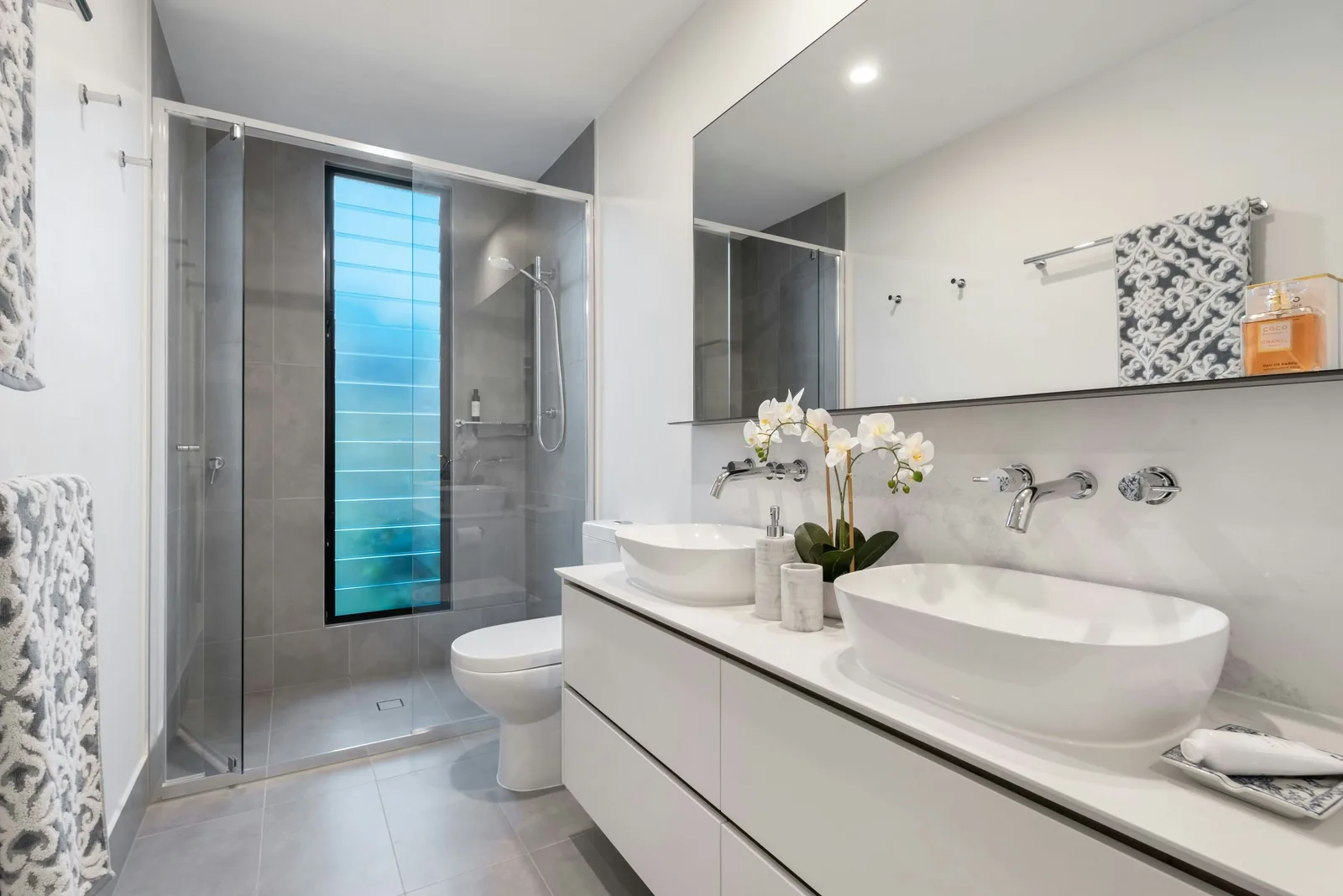
Costs here track more with scope and building type than with square footage alone — a cosmetic refresh in a standard tower unit and a full structural remodel in a luxury high-rise are genuinely different projects with genuinely different price tags.
The Post-Tensioned Slab: What It Actually Restricts
Before any core drilling, saw cutting, or slab penetration in a post-tensioned building, the work area needs to be scanned with X-ray or ground-penetrating radar to locate the tendons — a real, billable step most single-family remodels never need. Once tendons are located, any actual penetration typically needs a stamped structural engineer’s letter confirming it’s clear before your contractor can proceed. This mostly affects projects that move a toilet, shower drain, or floor-mounted fixture to a new location; a remodel that keeps the same plumbing footprint — new tile, new fixtures, new vanity in the same spot — usually doesn’t trigger this step at all, which is worth knowing before you assume every condo remodel needs an engineer on call.
| Project Type | Typical Range |
|---|---|
| Cosmetic refresh, same fixture footprint (tile, vanity, fixtures) | $8,000 – $20,000 |
| Full remodel with fixture relocation, incl. slab scanning & engineer letter | $25,000 – $55,000 |
| Luxury tower unit, premium finishes | $50,000 – $120,000+ |
| Walk-in shower conversion, same footprint | $8,000 – $22,000 |
Ranges reflect typical Downtown Bellevue condo project scope as of 2026, not a quote — your matched contractor will price your specific project after seeing it, reviewing your building’s alteration agreement, and confirming whether slab scanning applies.
The Alteration Agreement: Your Building’s Approval, Before the City’s
This dual-approval sequence — building first, city second — is the single biggest process difference between a condo remodel here and a single-family remodel anywhere else we cover.
What an Alteration Agreement Actually Covers
It’s a contract between you and your HOA that sets construction rules specific to your building — work-hour windows, contractor insurance requirements (often around $2M, with the association named as an additional insured), elevator reservation procedures, hallway and common-area protection, and indemnity language that shifts liability for the work onto you as the owner. It’s separate from, and typically required before, your City of Bellevue building permit.
What to Expect Day-to-Day
Work is typically restricted to weekday hours — most buildings allow 8am–5pm or 9am–6pm, no weekends. Shared plumbing stacks generally can’t be relocated. A water shutoff usually needs 24 to 48 hours’ advance notice to building management. HOA approval timelines vary widely: cosmetic work can clear staff sign-off in as little as 48 hours, while anything structural or plumbing-related may require a full board vote at the next scheduled meeting — worth asking about early, since it can be the longest step in your whole timeline.
City Permits for a Downtown Bellevue Condo Remodel
The same baseline rule applies here as anywhere in Bellevue: a permit is required if your remodel moves or adds plumbing, electrical, or gas lines, through the city’s Development Services department (450 110th Ave NE, Bellevue WA 98009; MyBuildingPermit.com for 24/7 online applications; 425-452-6800 for general questions). Purely cosmetic work usually doesn’t need one.
The difference here is sequencing: get your HOA’s alteration agreement signed off first, then submit for your city permit. Trying to do it the other way around is a real, avoidable delay we hear about from condo owners more than any other single issue. Your matched contractor should be able to walk you through both processes in parallel once your building’s rules are confirmed.
Questions About Remodeling in Downtown Bellevue
Can I move plumbing fixtures in a Downtown Bellevue condo?
Often yes, but it typically requires locating the post-tension cables in your slab first via X-ray or ground-penetrating radar, then a stamped engineer’s letter confirming the penetration is clear. A remodel that keeps fixtures in their existing footprint usually skips this step entirely.
What’s an alteration agreement, and do I need one?
It’s a contract with your HOA that sets your building’s construction rules, insurance requirements, and liability terms for the work. Most meaningful renovations need one signed before you can even submit for a city permit — purely cosmetic work sometimes skips it, but confirm with your building management directly.
How long does HOA approval take?
It varies by building and scope. Cosmetic work can clear staff sign-off in 48 hours; structural or plumbing changes may need a full board vote, which can add weeks depending on your building’s meeting schedule.
What does a condo bathroom remodel cost in Downtown Bellevue?
A cosmetic refresh that keeps the same fixture footprint typically runs $8,000–$20,000. A full remodel that relocates fixtures, including slab scanning and engineering sign-off, typically runs $25,000–$55,000, with luxury tower units running higher.